





We believe that by instilling compassion, respect, and a sense of responsibility, we can make a lasting impact on the lives of people and animals that will reverberate far beyond the boundaries of our Park.
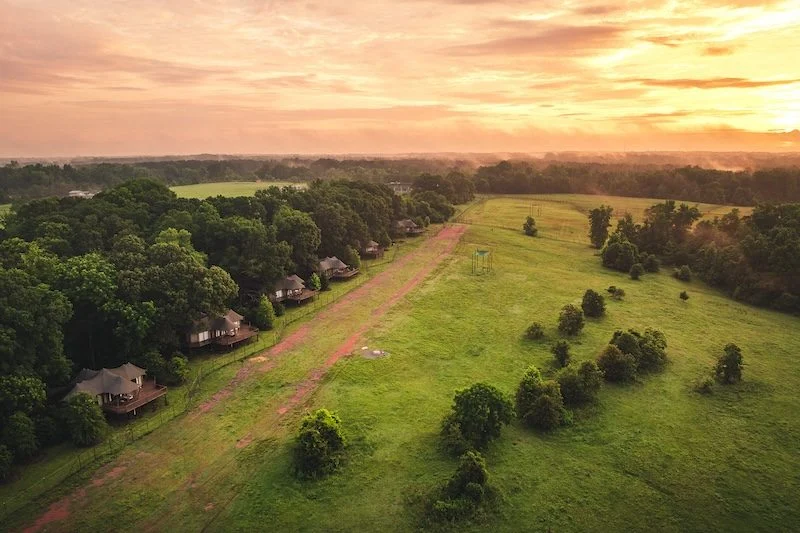
Positive Impact
At the Georgia Safari Conservation Park, we’re not just passionate about wildlife and conservation; we’re also dedicated to making a positive impact in our local community! We believe in the power of partnerships and the importance of giving back to those who need it most.
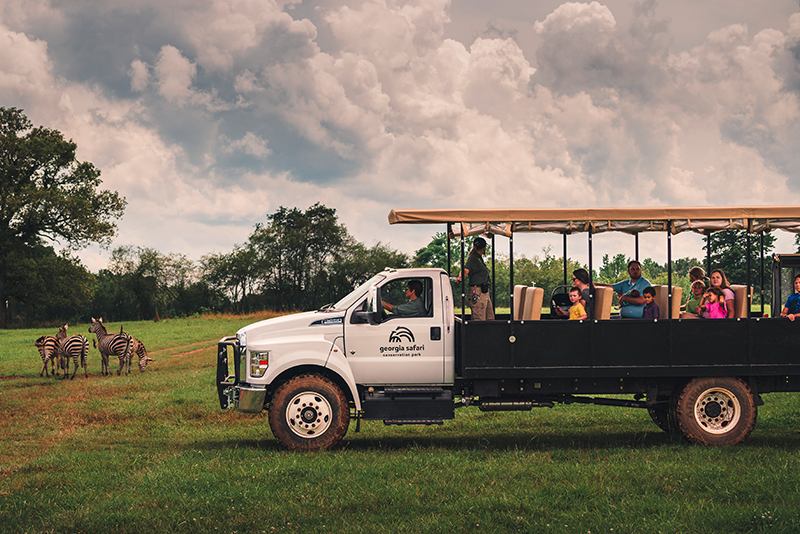
To Serve & Support
We are committed to supporting youth programs through organizations like the Boys & Girls Club of America and Camp Twin Lakes, and serving our seniors in nursing and assisted living communities. Our goal is to ensure that everyone, regardless of their abilities or background, can experience the thrill of encountering the incredible animals in our Park.
Animal Spotlight
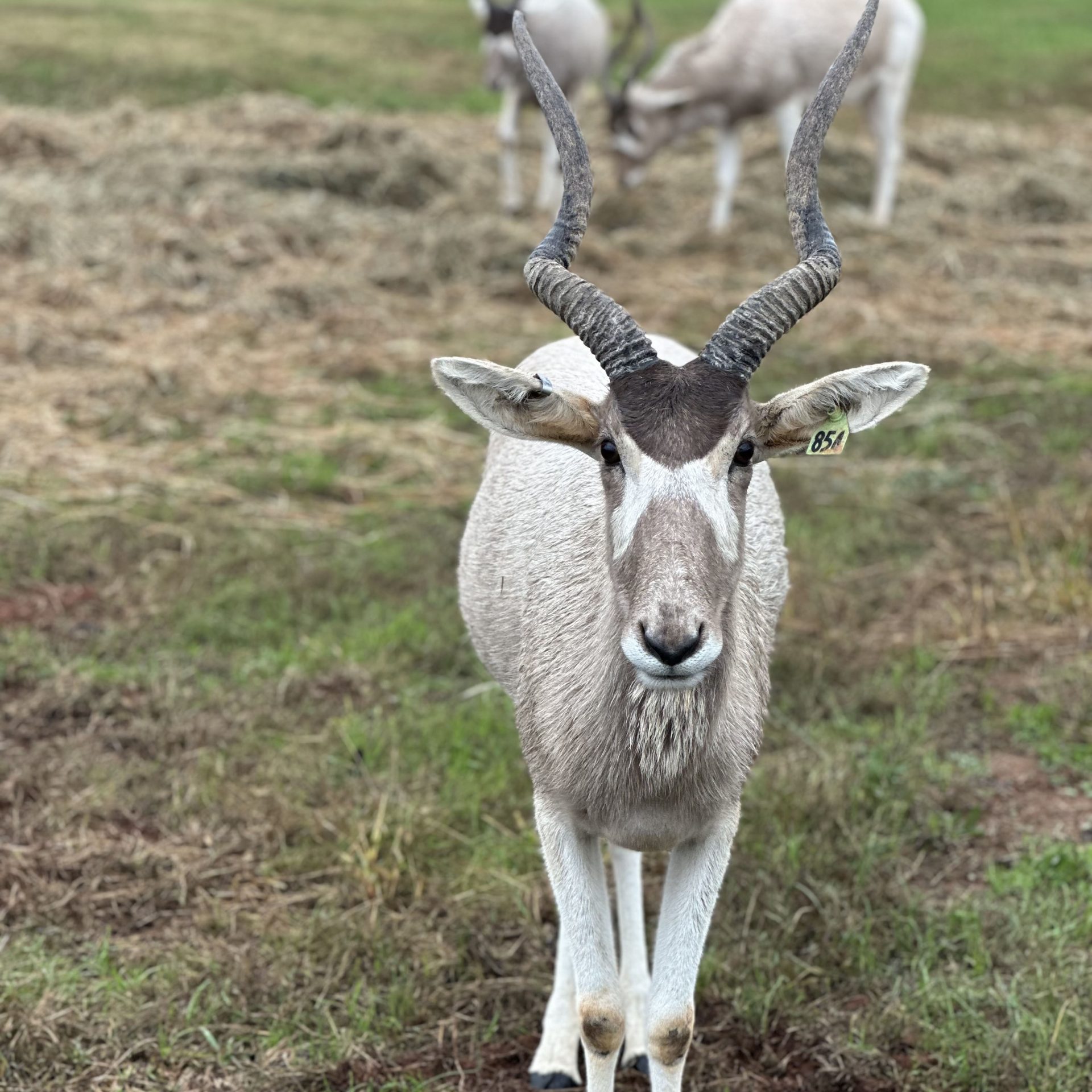
Addax
A critically endangered Saharan antelope with distinctive twisted horns and a pale coat that reflects sunlight. It is supremely adapted to desert life, able to survive without standing water by drawing moisture from vegetation.
Animal Spotlight
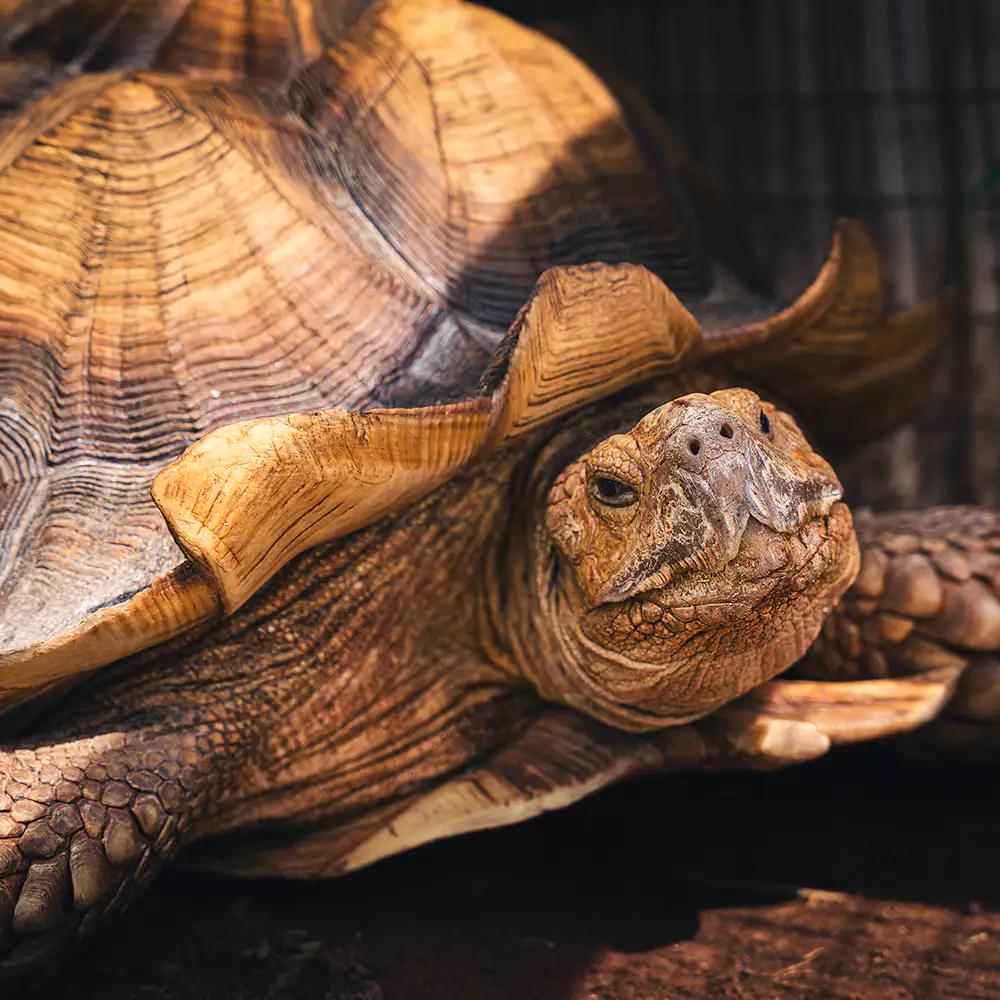
African Spurred Tortoise
The third-largest tortoise species in the world, native to the southern edge of the Sahara Desert. It is known for its heavily scaled, spurred hind legs and can live well over 100 years.
Animal Spotlight
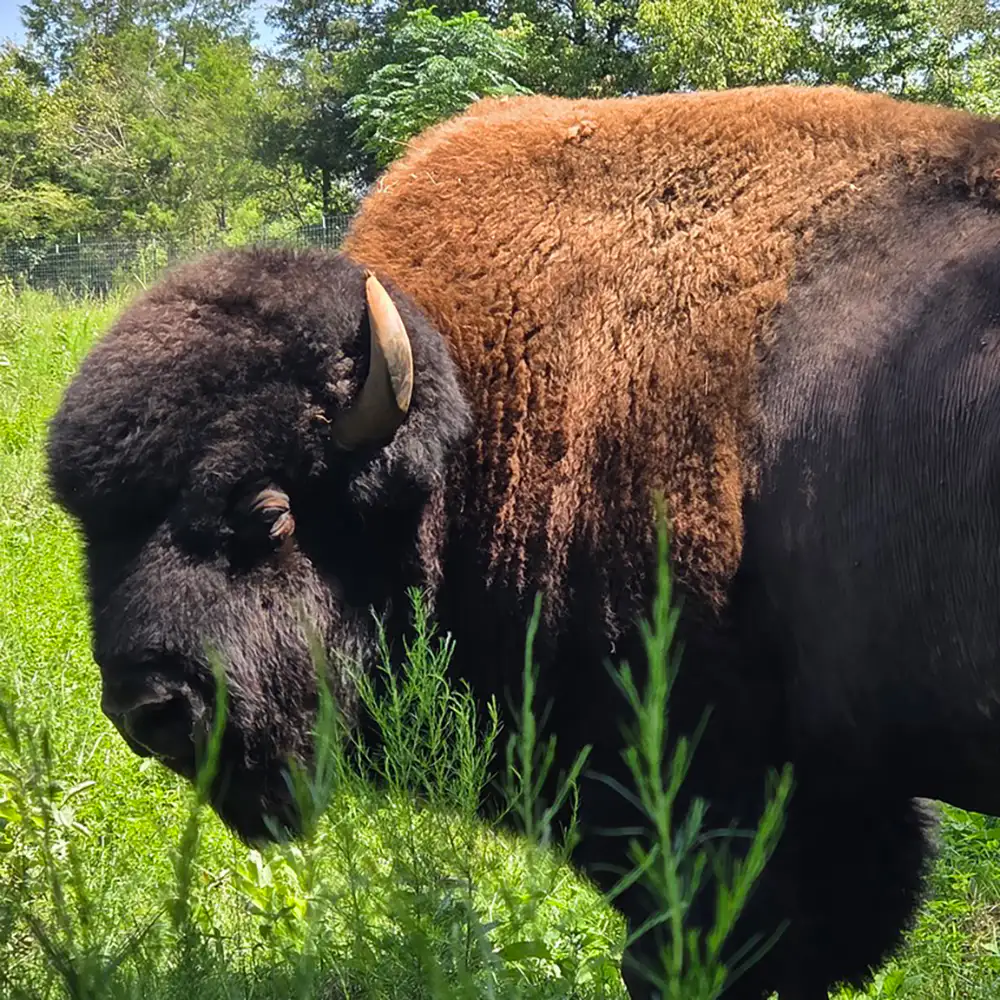
American Bison
The heaviest land animal in North America, once roaming the Great Plains in tens of millions before near-extinction by the late 1800s. Despite their massive build, bison are agile and can run up to 40 mph.
Animal Spotlight
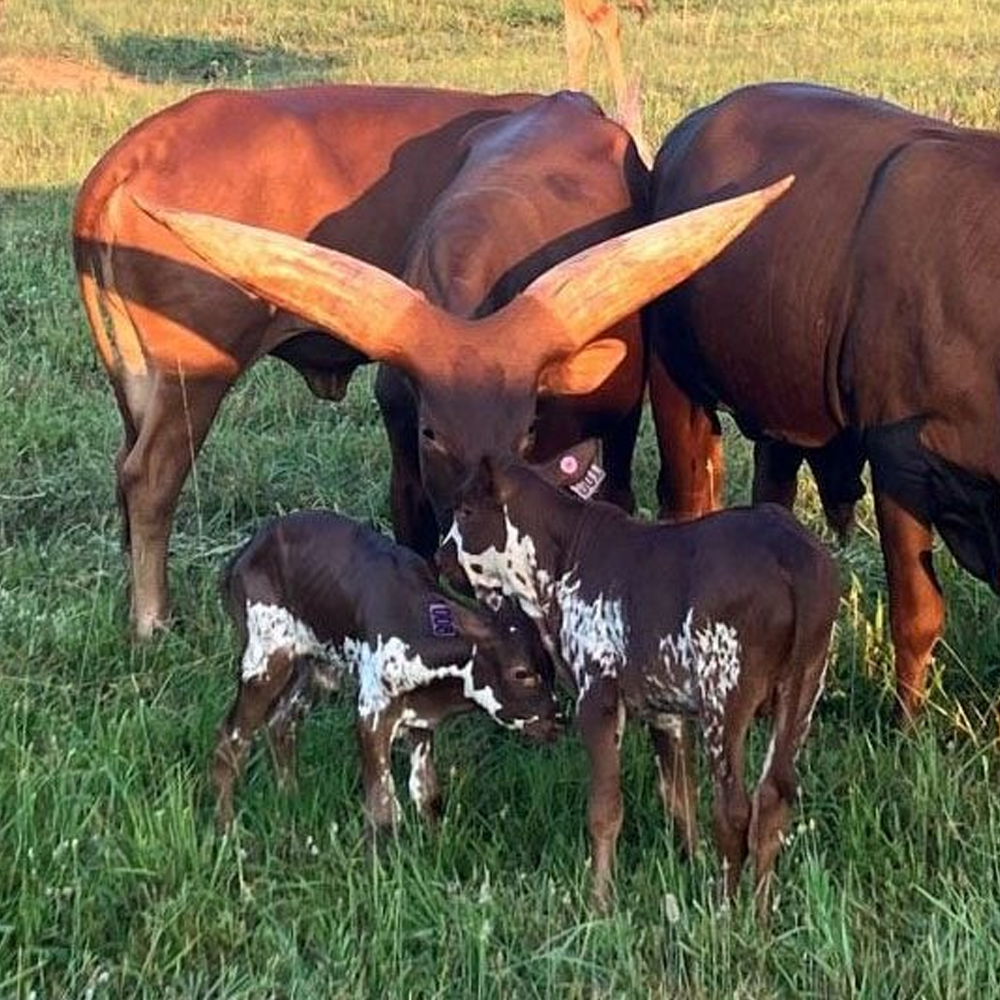
Ankole-Watusi
A striking African cattle breed famous for its extraordinarily large, wide-spreading horns, which can span up to 8 feet tip to tip. The horns also serve a practical purpose — their extensive vascular network helps regulate body temperature.
Animal Spotlight
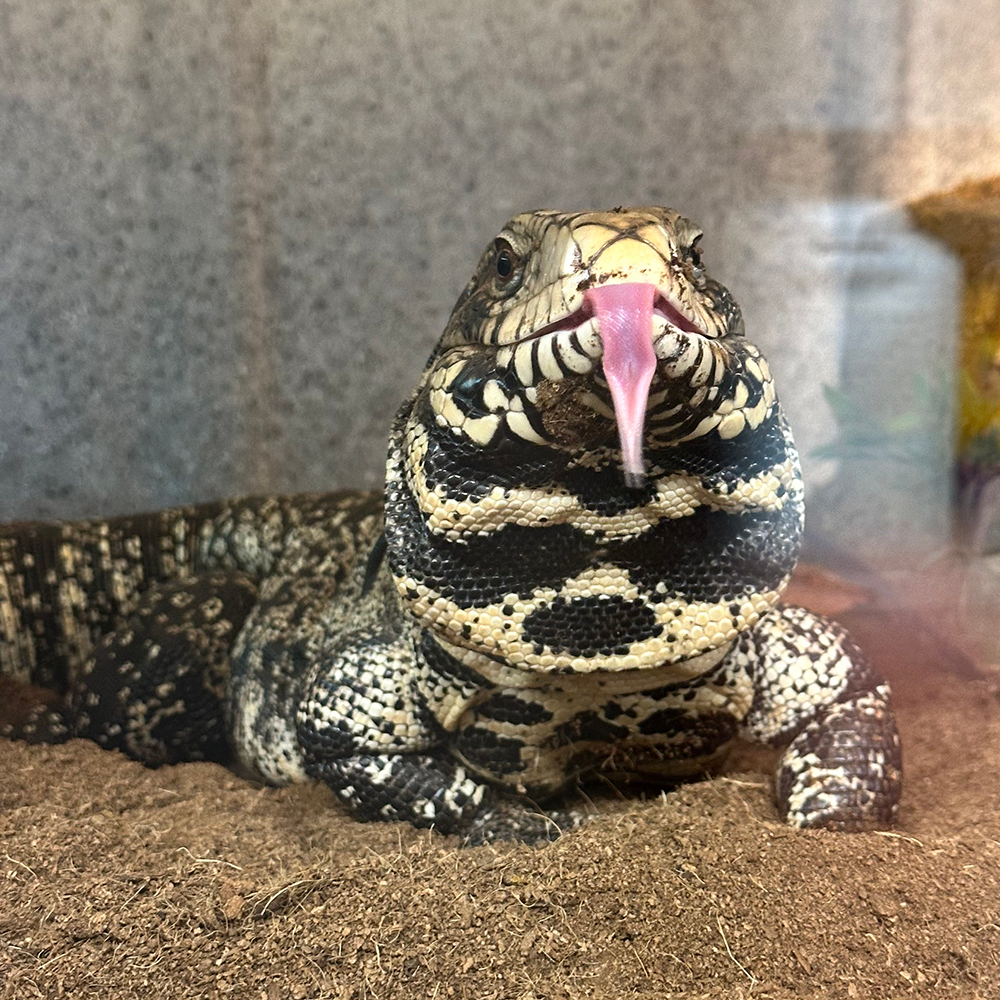
Argentine Black & White Tegu
A large, highly intelligent lizard from South America that can grow up to 4–5 feet long. Unlike most reptiles, tegus are known to be somewhat social and can even be tamed as pets.
Animal Spotlight
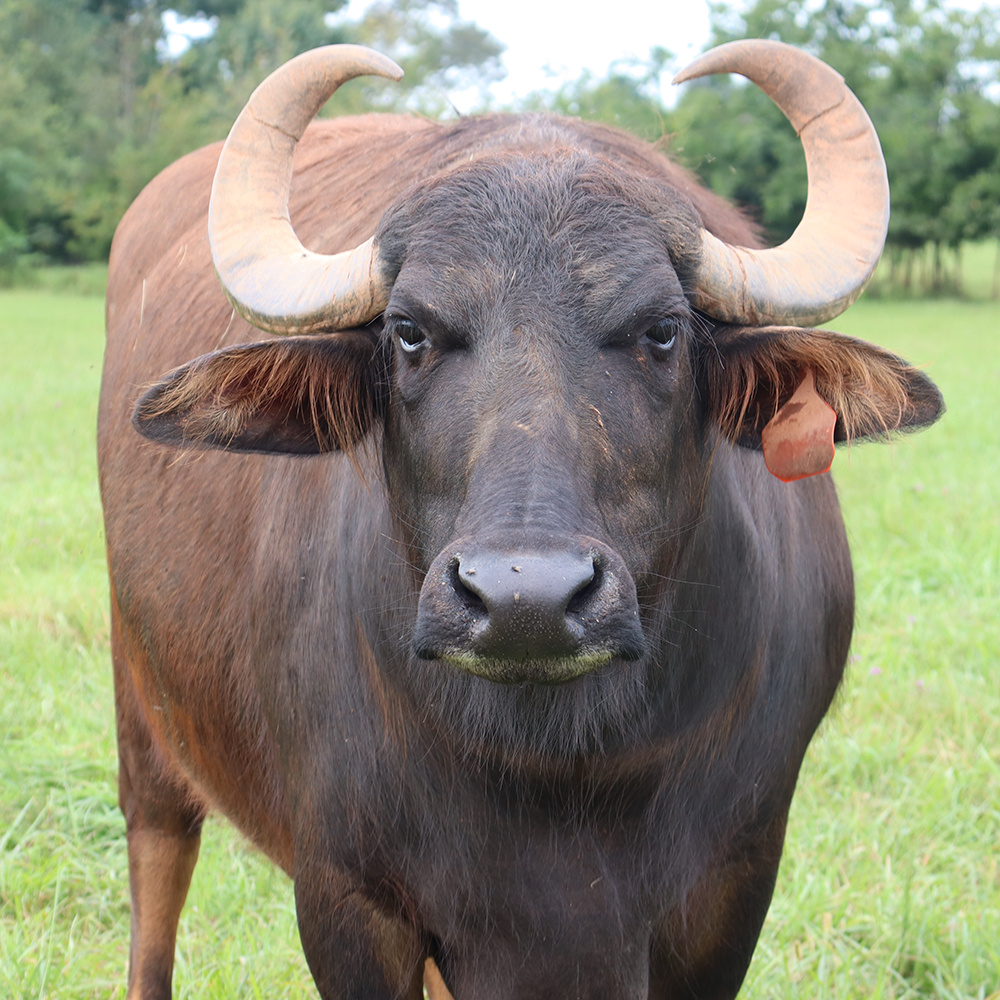
Asian Water Buffalo
One of the largest bovines in the world, long domesticated across Asia as a working animal for farming and transport. Their wide, curved horns and powerful build make them well suited to both labor and wetland environments.
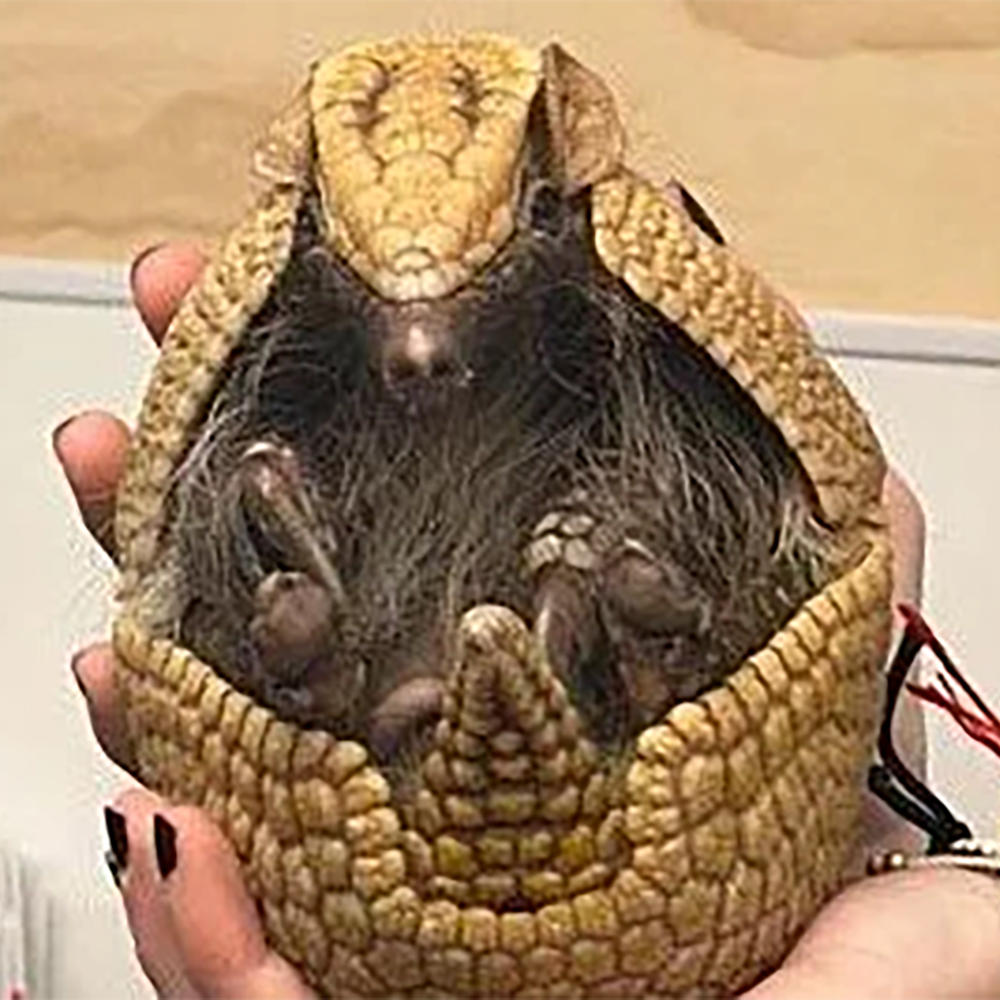
Animal Spotlight
Brazilian Three-Banded Armadillo
The only armadillo species capable of rolling into a complete, nearly impenetrable ball when threatened. Native to the dry scrublands of eastern Brazil, it is the official mascot of the 2014 FIFA World Cup.
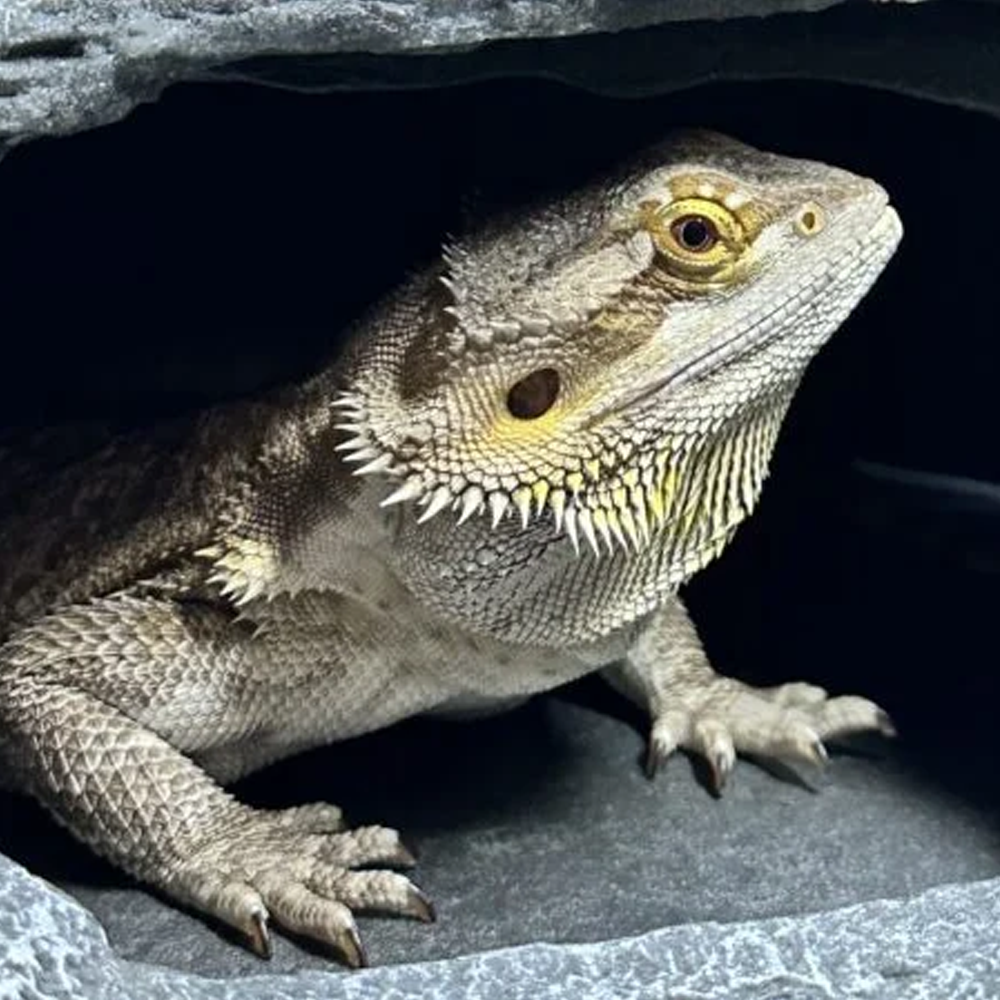
Animal Spotlight
Central Bearded Dragon
A popular and docile lizard native to the arid regions of Australia, named for the spiny throat pouch it puffs out during display or communication. They are known for their unique “arm-waving” behavior used as a social signal.
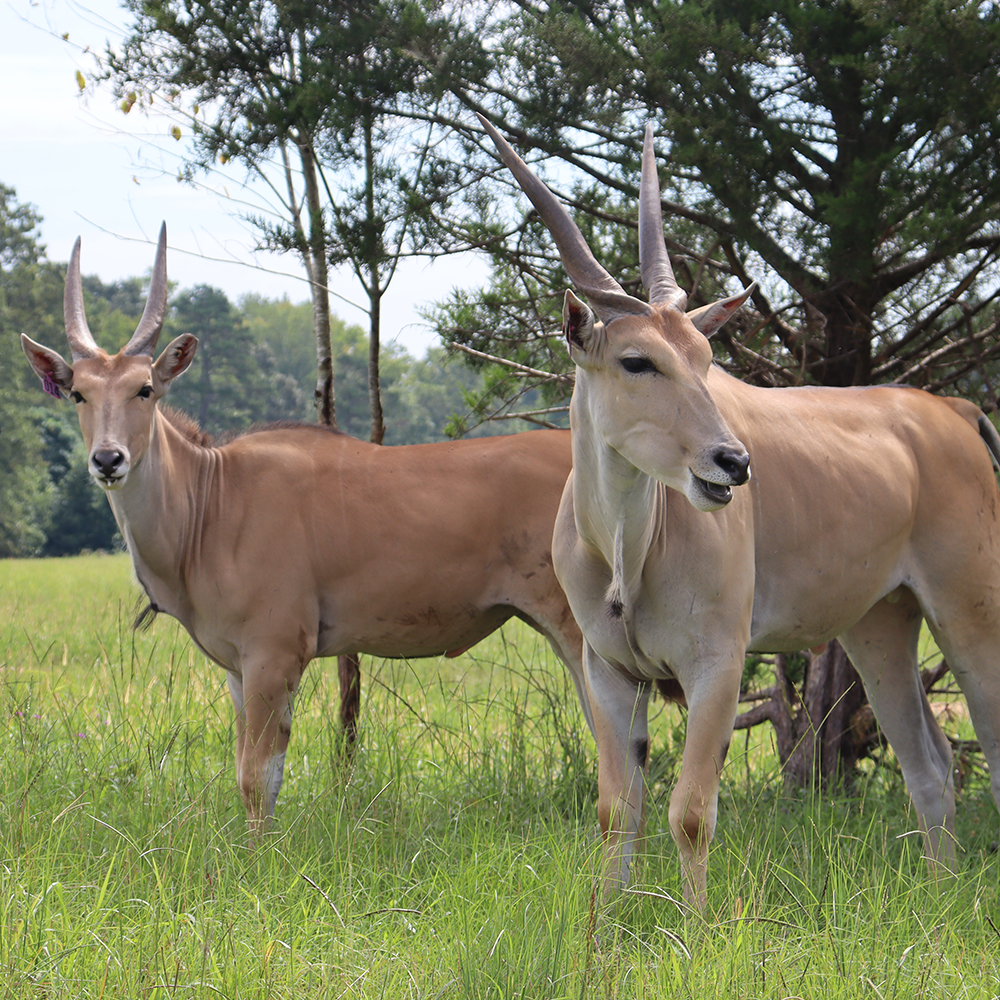
Animal Spotlight
Common Eland
The world’s largest antelope, native to the savannas and plains of eastern and southern Africa. Despite their enormous size, elands are remarkable jumpers and can clear fences over 6 feet tall.
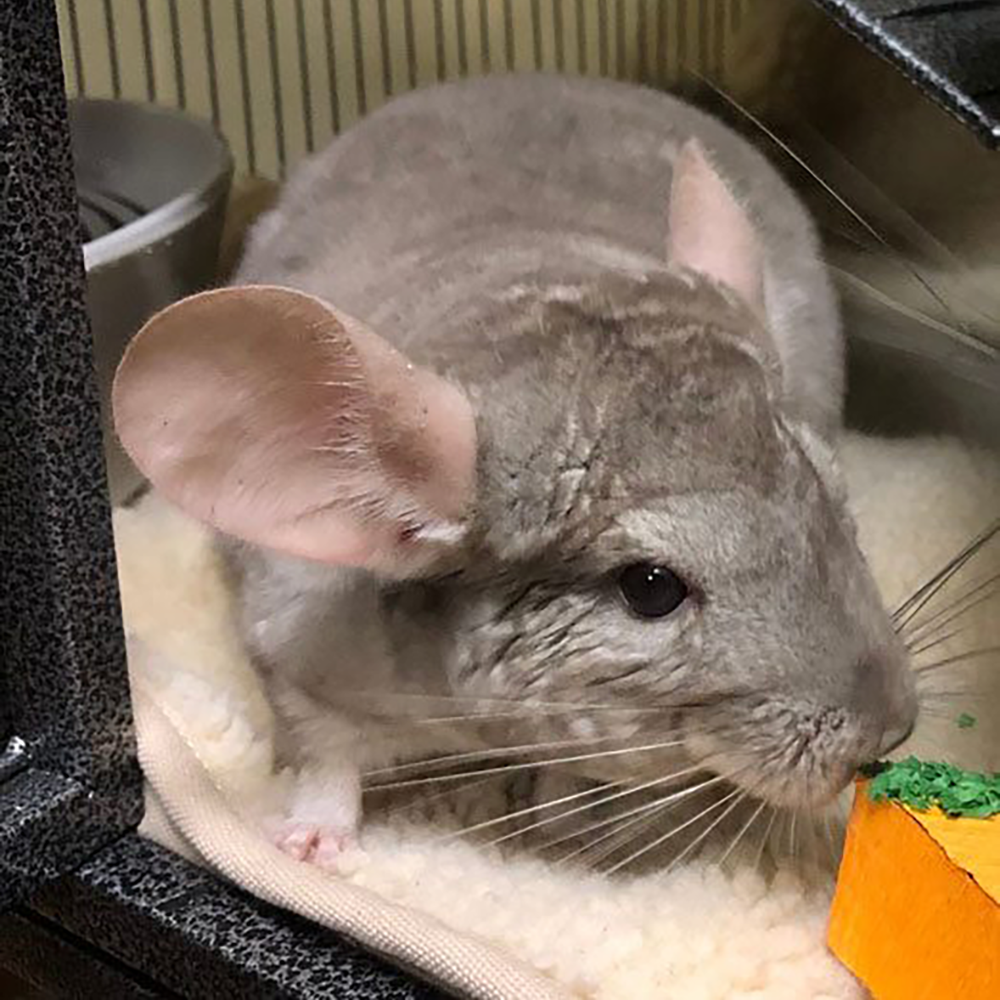
Animal Spotlight
Chinchilla
A small Andean rodent prized for having one of the densest, softest fur coats of any land mammal — up to 60 hairs per follicle. They are highly social, agile climbers, and can live up to 15 years or more in captivity.
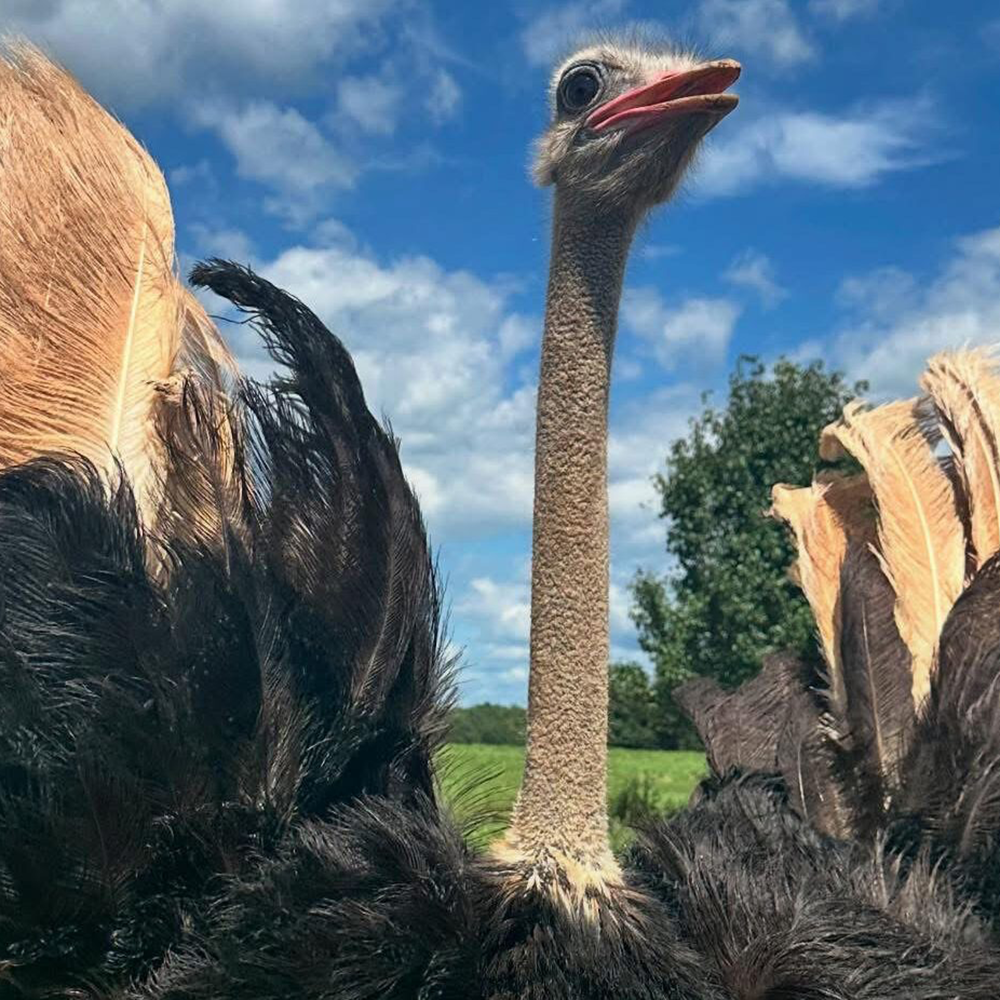
Animal Spotlight
Common Ostrich
The world’s largest and heaviest bird, reaching up to 9 feet tall and 320 pounds, and completely flightless. It is the fastest running bird on Earth, capable of sustained speeds of 30–35 mph and bursts up to 45 mph.
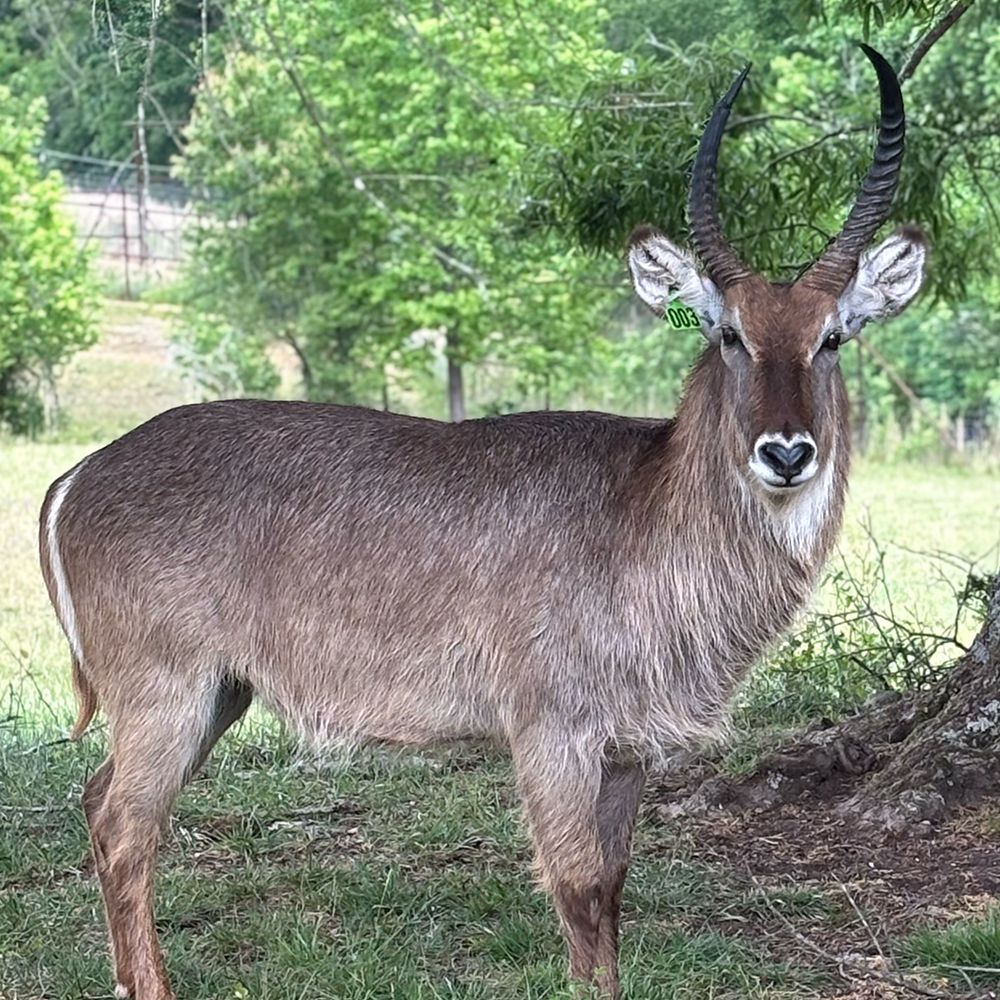
Animal Spotlight
Common Waterbuck
A large African antelope easily identified by the distinctive white ring on its rump, as well as its shaggy, water-resistant coat. Males carry long, ridged horns and the species is typically found near rivers and wetlands.
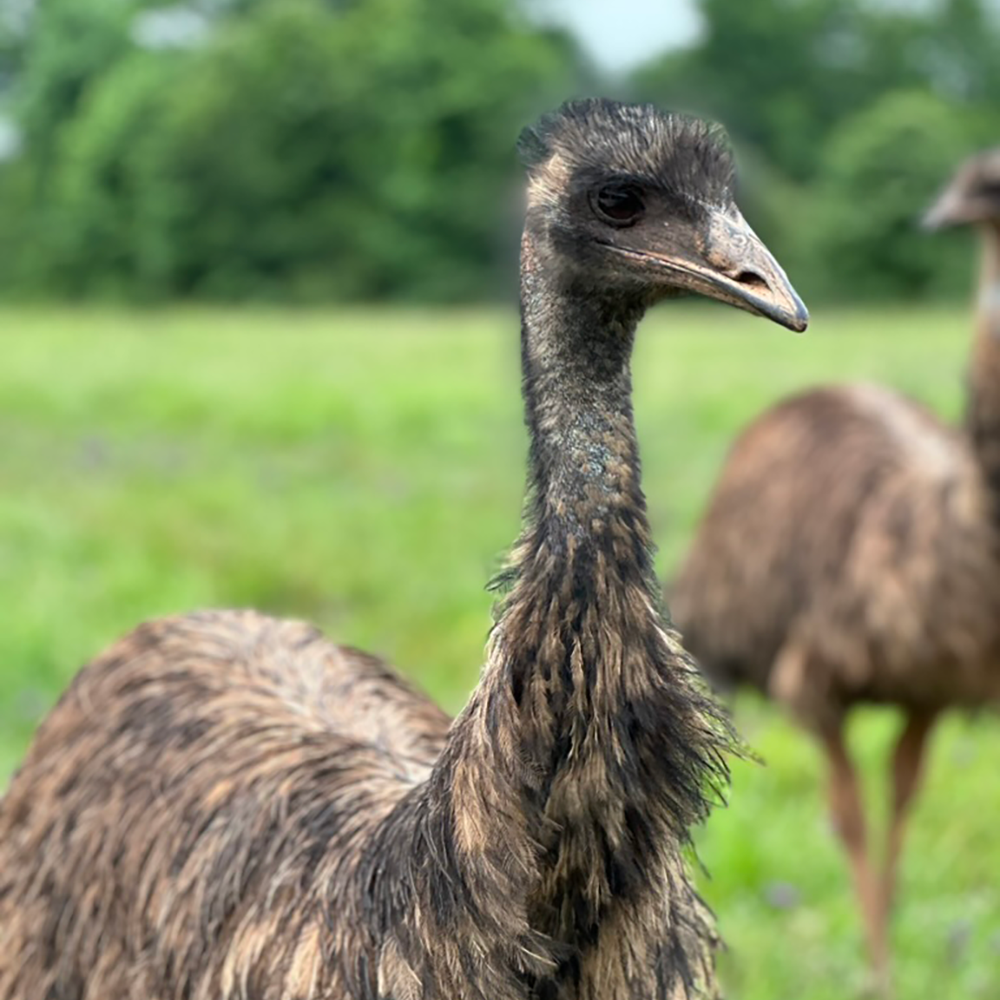
Animal Spotlight
Emu
Australia’s largest bird and the second-tallest bird in the world, standing up to 6 feet tall. Flightless but powerful, emus are strong swimmers and long-distance travelers capable of covering vast distances in search of food.
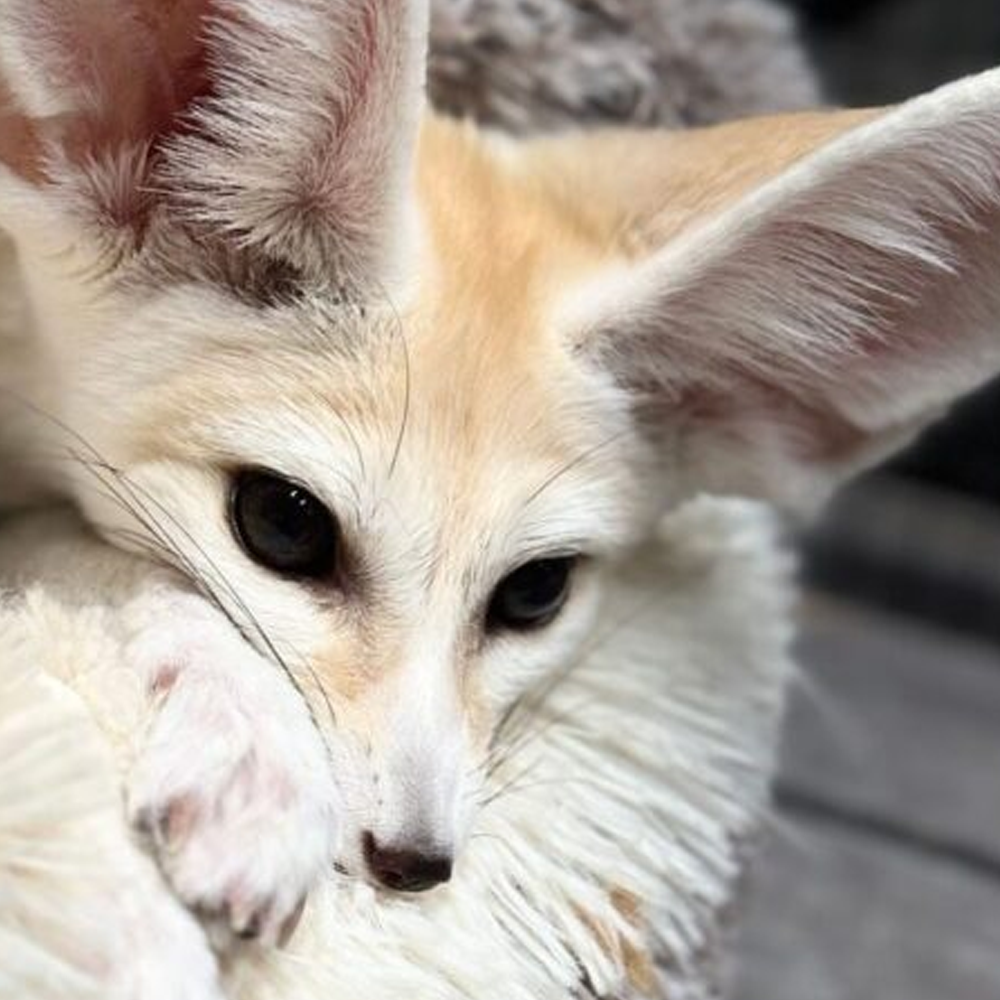
Animal Spotlight
Fennec Fox
The world’s smallest fox, recognized by its enormous ears that help dissipate heat and detect prey underground. Native to the Sahara, it thrives in desert conditions and is primarily nocturnal.
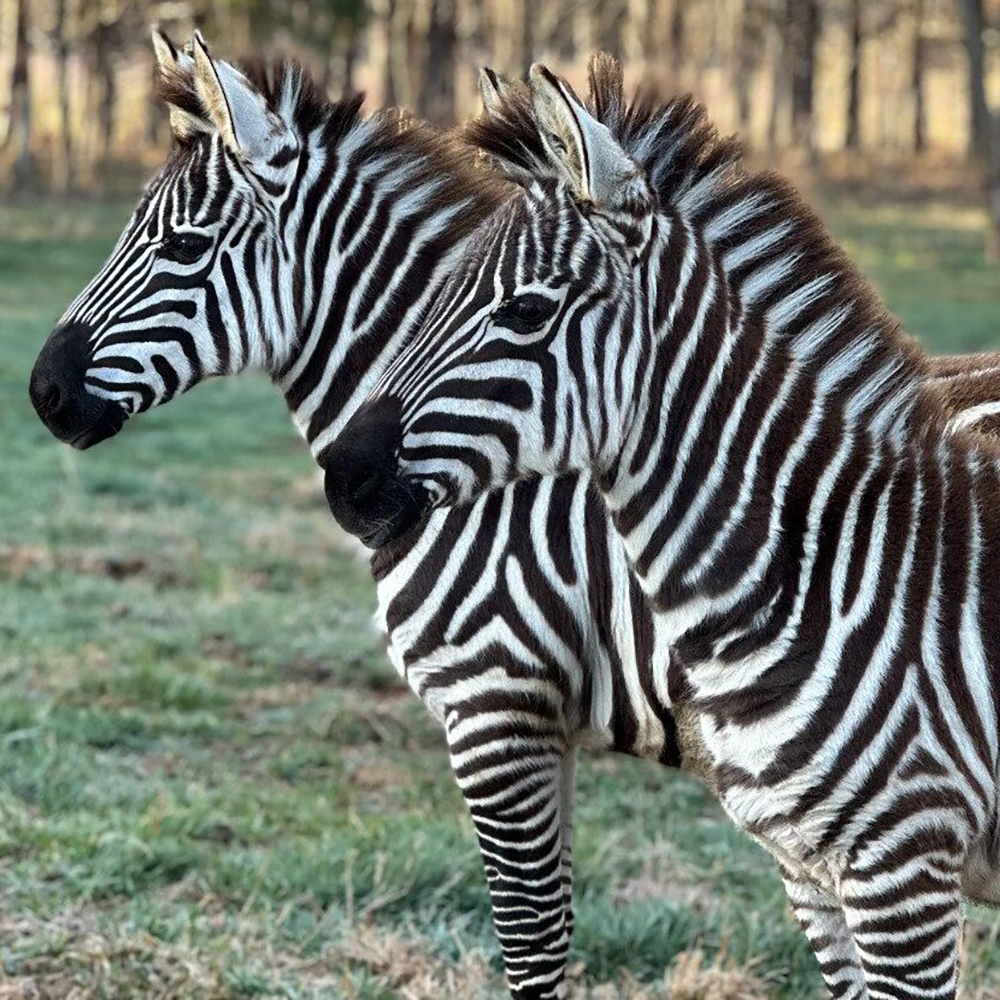
Animal Spotlight
Plains / Grant’s Zebra
The most common zebra subspecies, found across the grasslands and savannas of East Africa. Each individual’s stripe pattern is unique, and their bold markings are thought to confuse predators and deter biting insects.
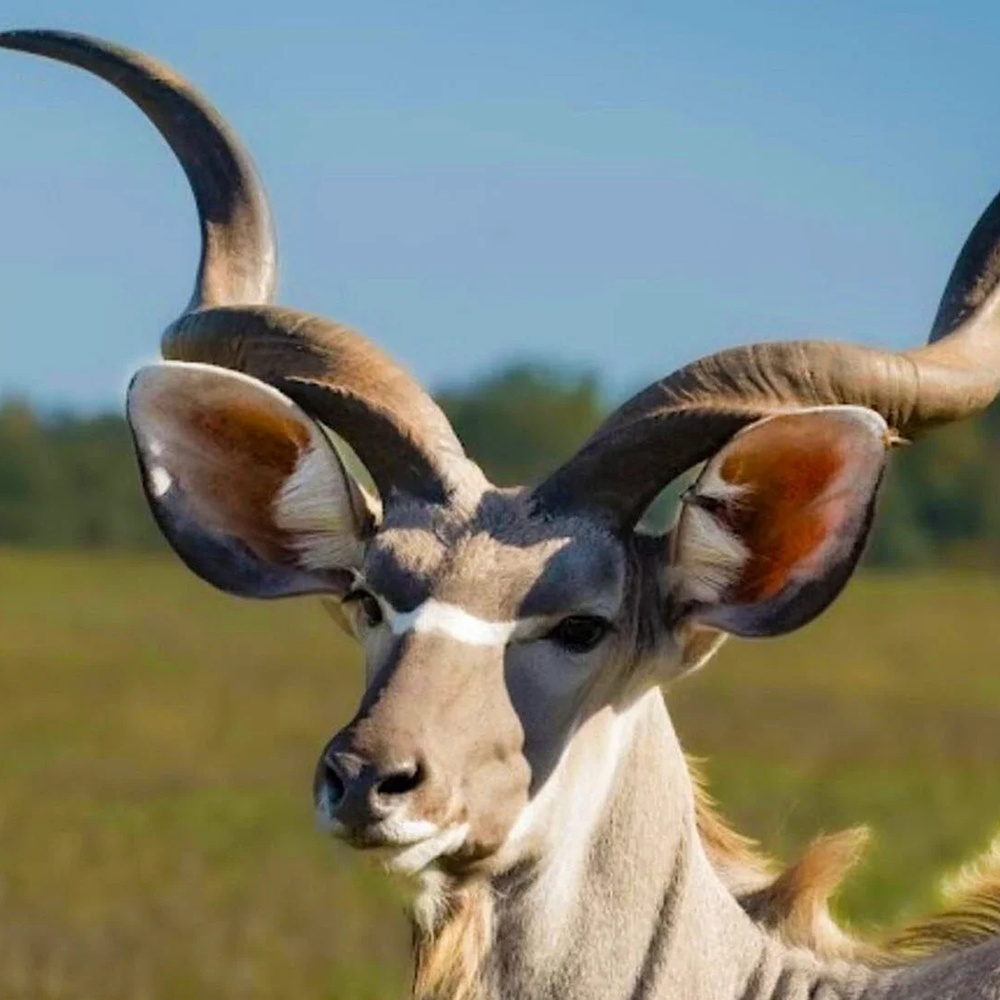
Animal Spotlight
Greater Kudu
A tall, elegant antelope of eastern and southern African woodlands, with males sporting spectacular long, spiraling horns that can reach over 6 feet in length. They are among the most striking of all African antelopes.
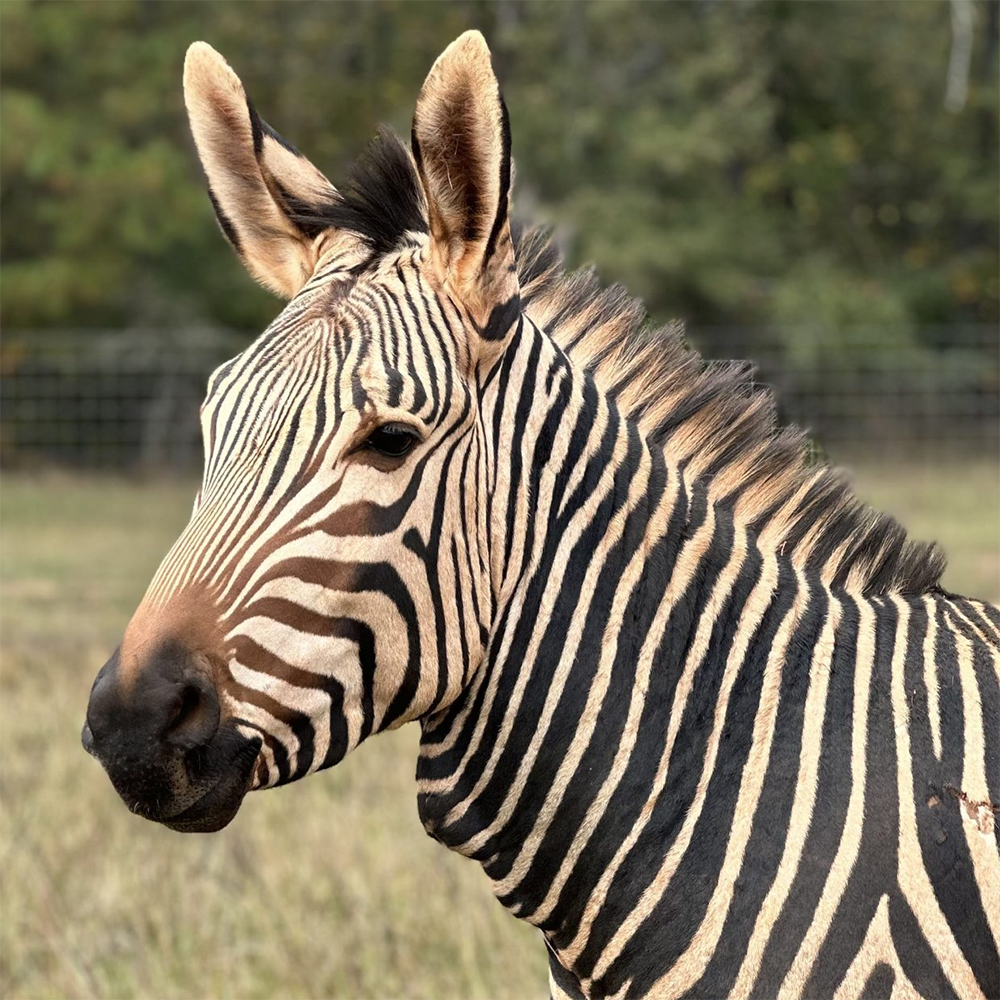
Animal Spotlight
Hartmann’s Mountain Zebra
A vulnerable zebra subspecies native to the rocky hillsides of Namibia and Angola, distinguished from other zebras by a grid-like pattern of stripes on the hindquarters called a “gridiron.” They are agile climbers well adapted to mountainous terrain.
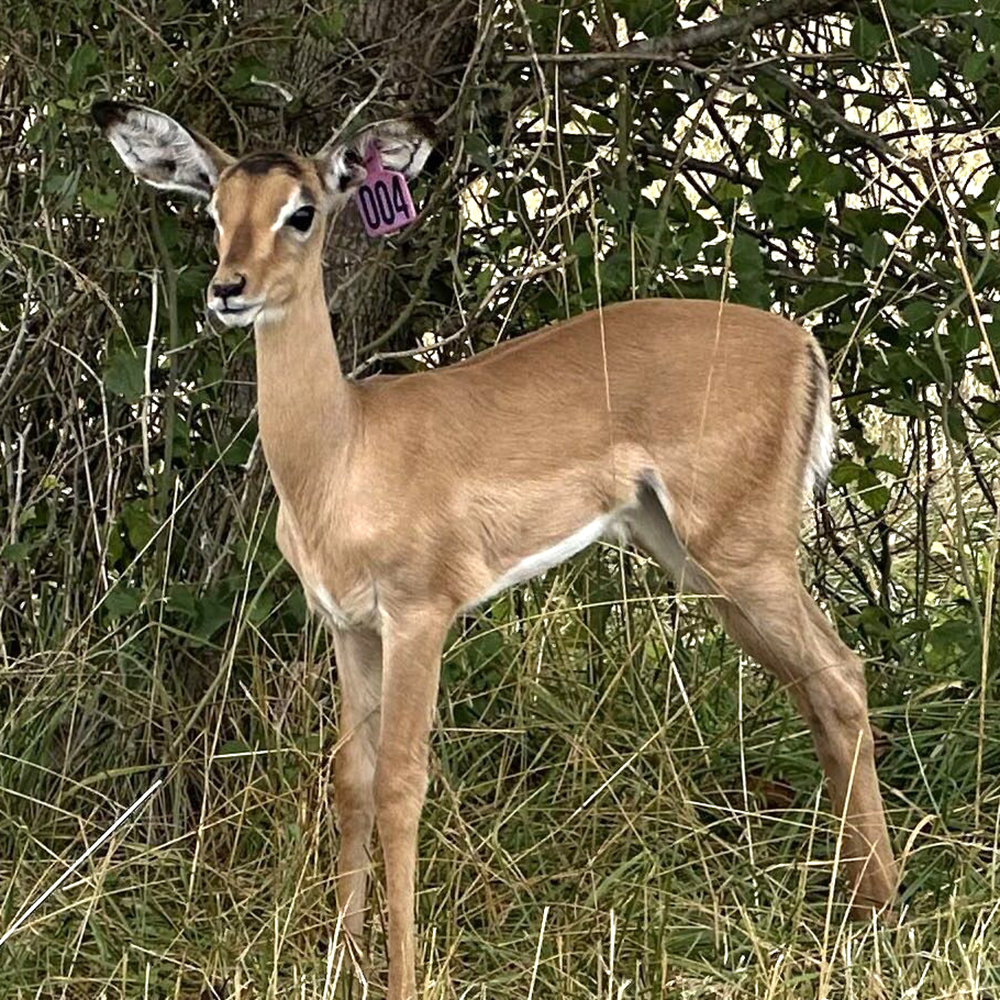
Animal Spotlight
Impala
A medium-sized African antelope renowned for its incredible athleticism — capable of leaping up to 10 feet high and 33 feet in length to evade predators. One of the most abundant antelopes in sub-Saharan Africa, they live in large, fluid social herds.
Animal Spotlight
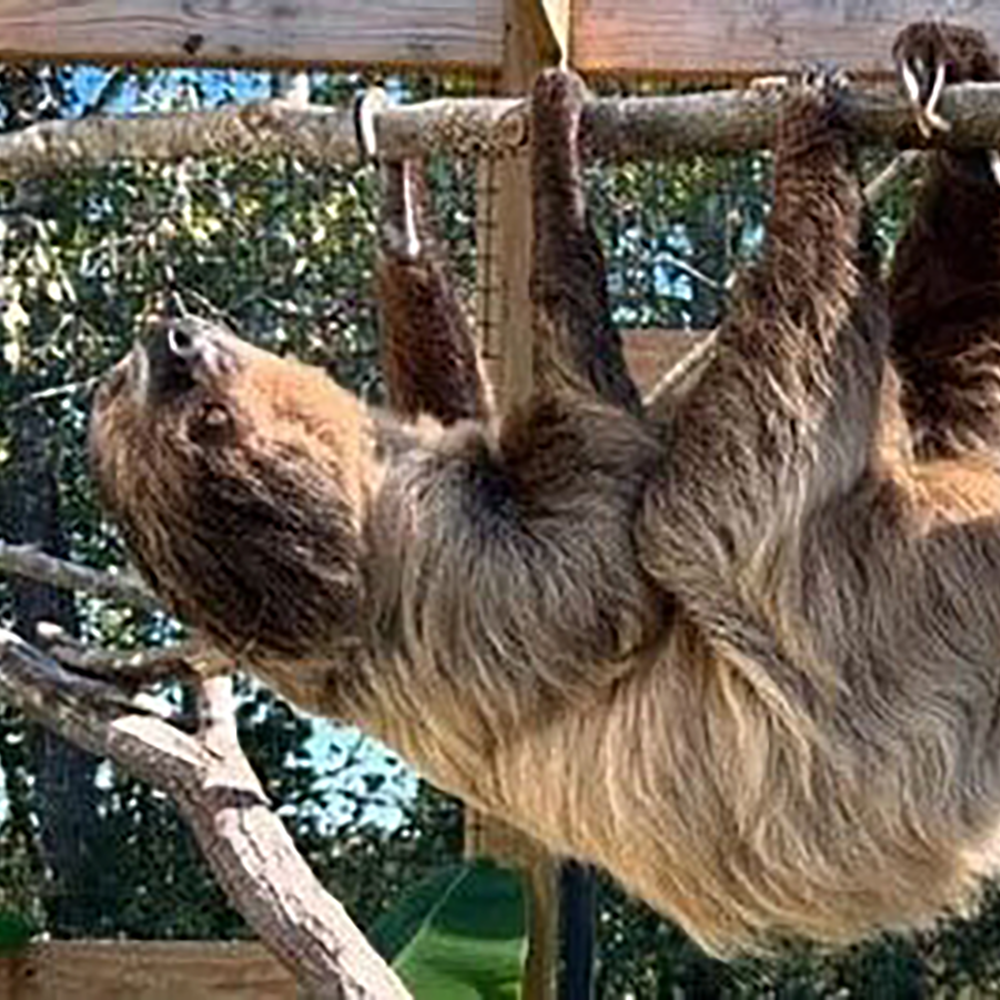
Linnaeus’s Two-toed Sloth
A slow-moving, arboreal mammal of Central and South American rainforests that spends most of its life hanging upside down from tree branches. Their extremely low metabolism means they sleep up to 20 hours a day and descend to the ground only about once a week.
Animal Spotlight
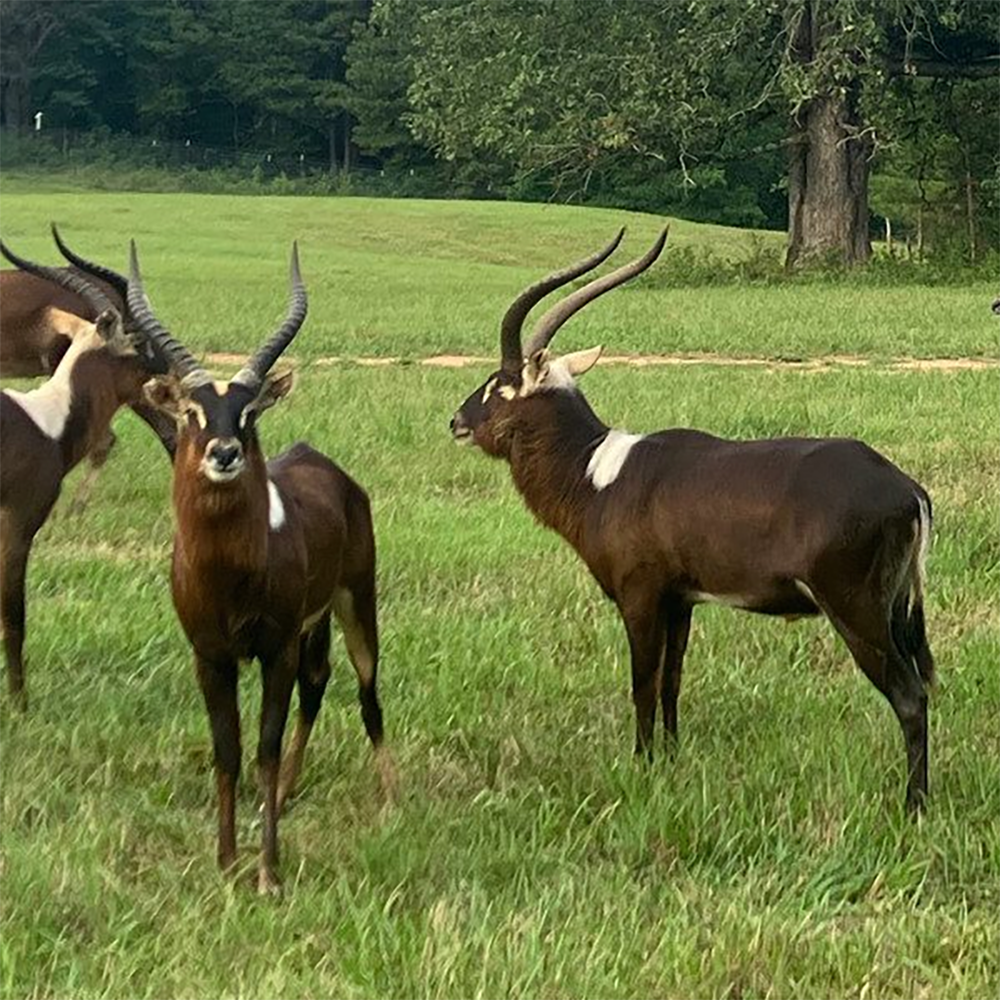
Nile Lechwe
A semi-aquatic antelope found in the floodplains and swamps of South Sudan and Ethiopia, well adapted to walking through shallow water and marshy terrain. Males have long, lyre-shaped horns and a distinctive dark chest patch.
Animal Spotlight
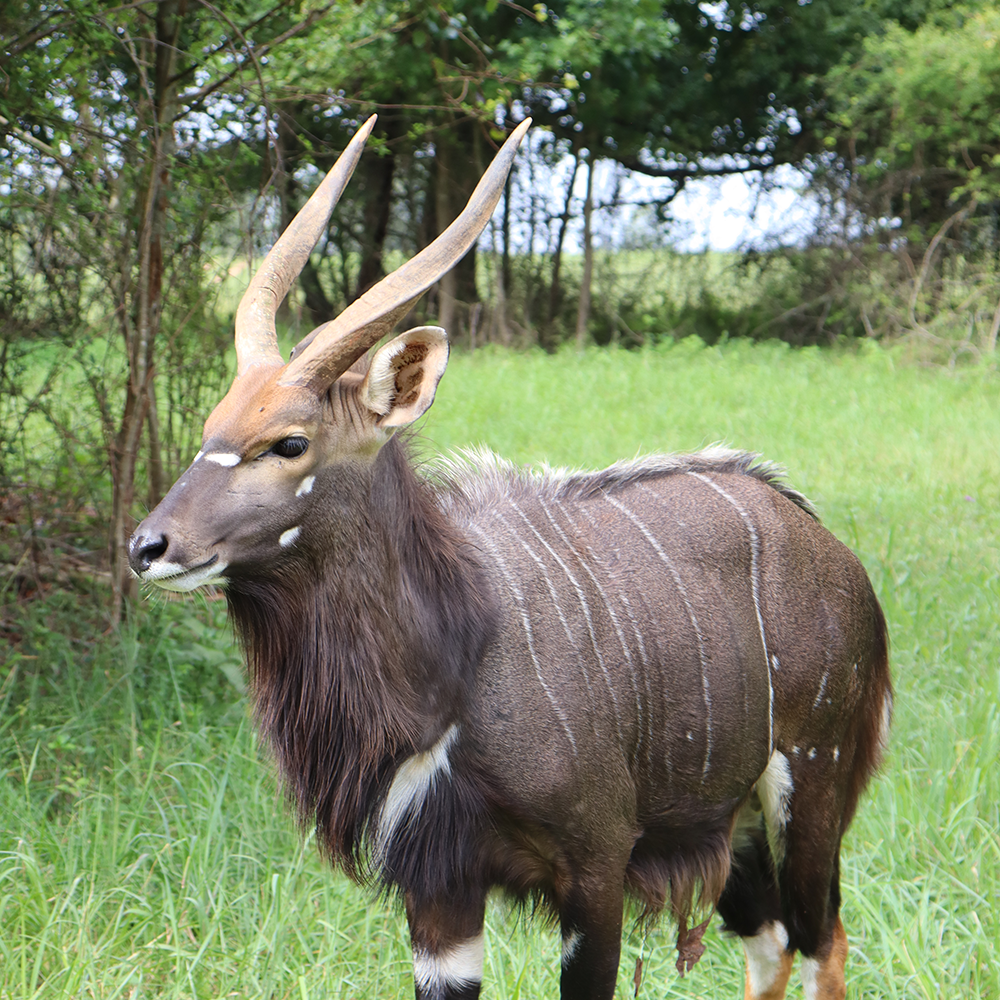
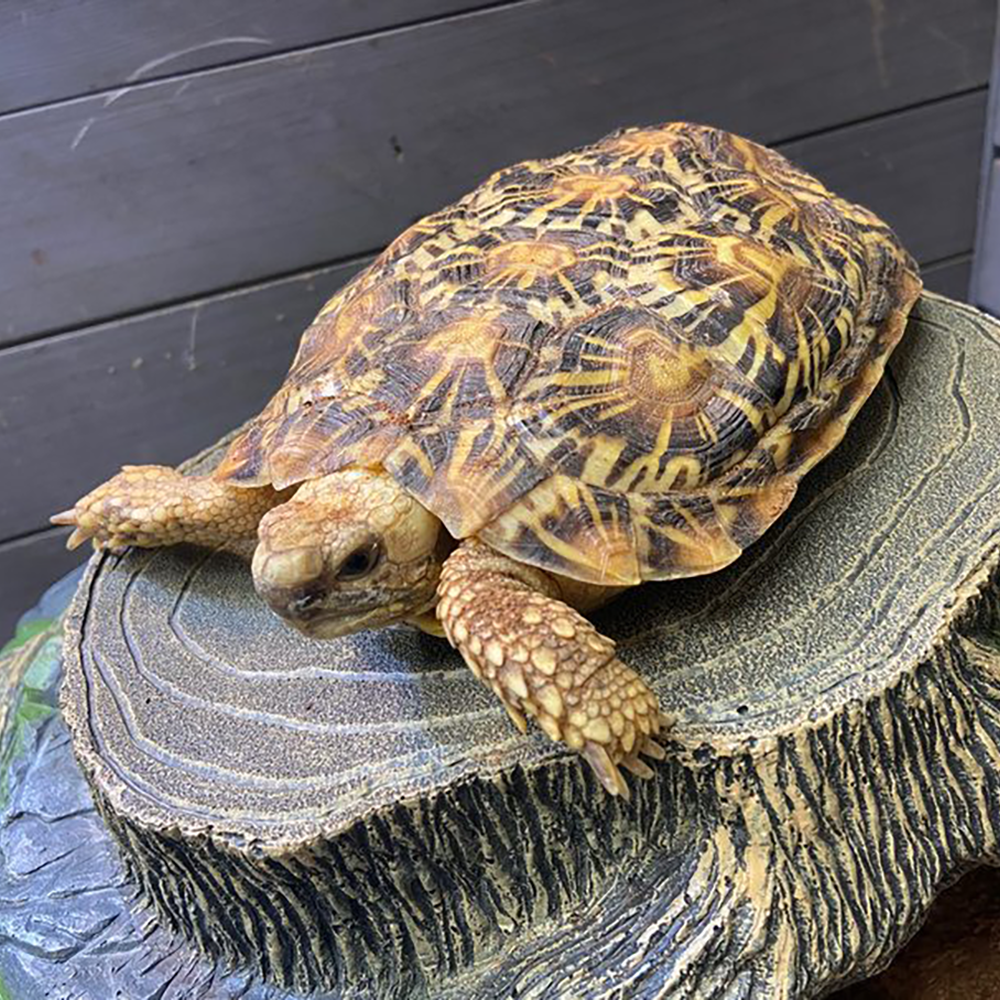
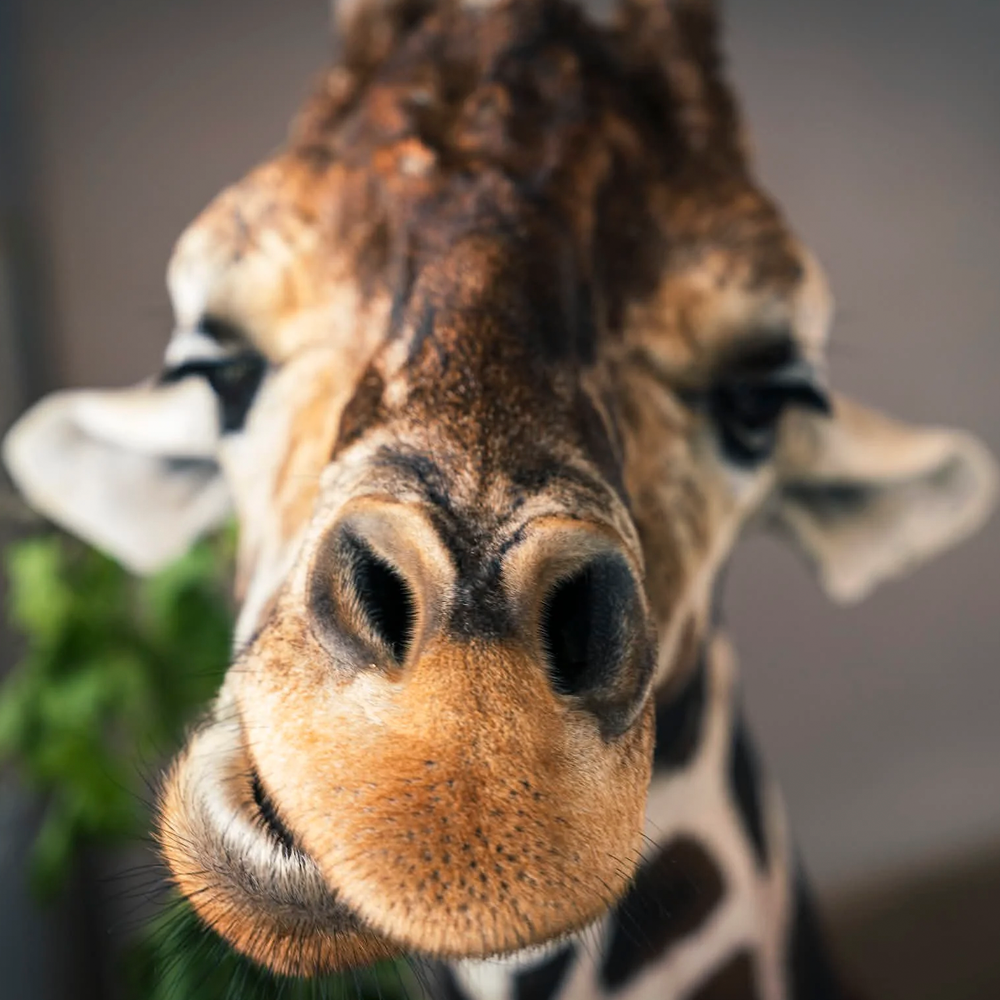
Reticulated Giraffe
The tallest living terrestrial animal on Earth, native to the Horn of Africa, and recognized by its large, clearly defined polygonal coat patches outlined in white. Their long necks allow them to browse treetops that no other land animal can reach.
Animal Spotlight
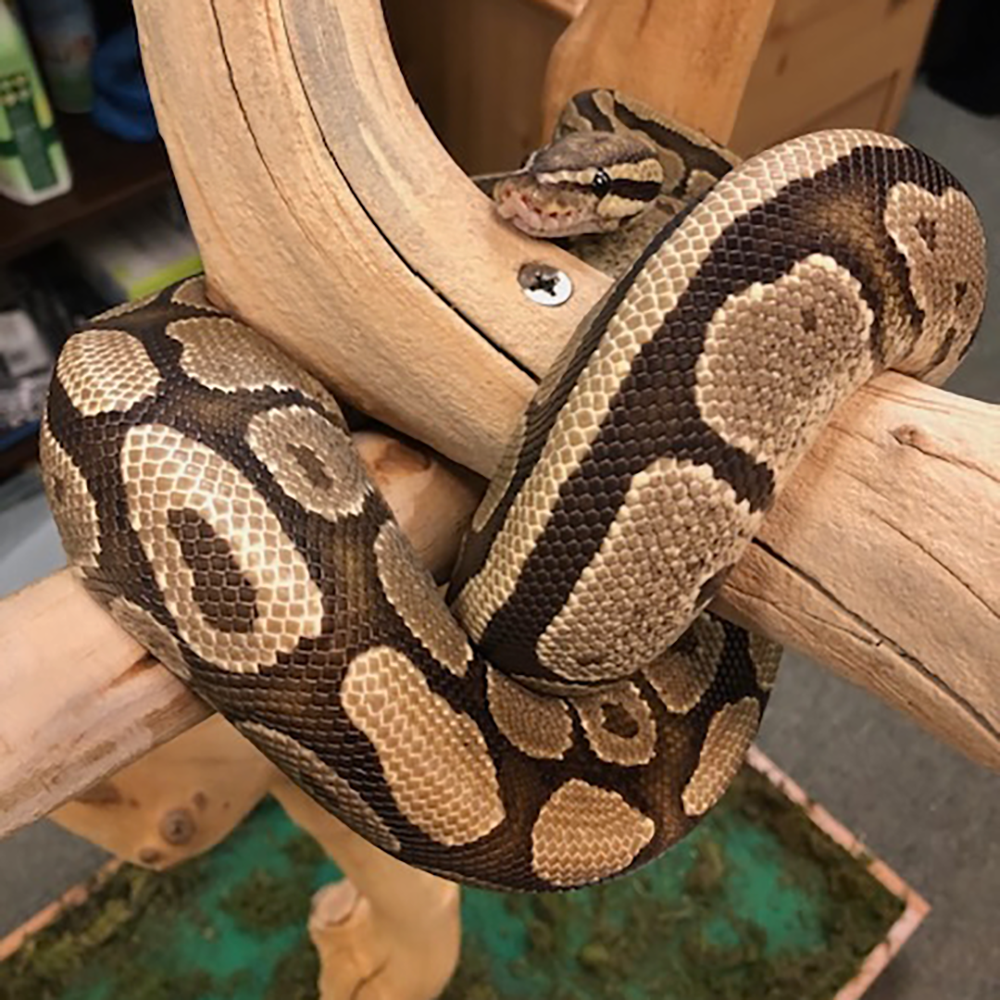
Royal / Ball Python
A relatively small, docile African python named for its defensive habit of curling into a tight ball when threatened. One of the most popular pet snakes in the world, they come in a vast array of color morphs produced through selective breeding.
Animal Spotlight
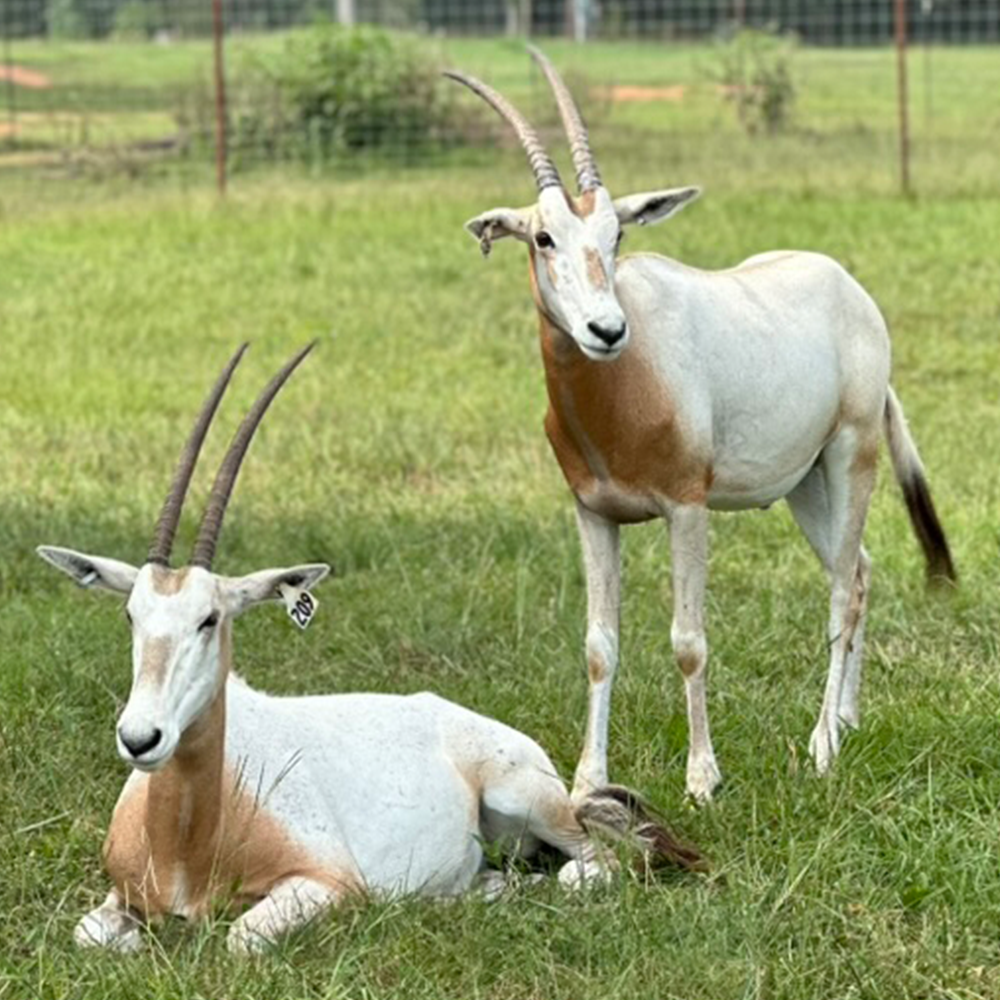
Scimitar-horned Oryx
A large, pale antelope of North Africa with long, dramatically curved horns that inspired the legend of the unicorn when viewed in profile. Declared extinct in the wild in 2000, it has since been successfully reintroduced through captive breeding programs.
Animal Spotlight
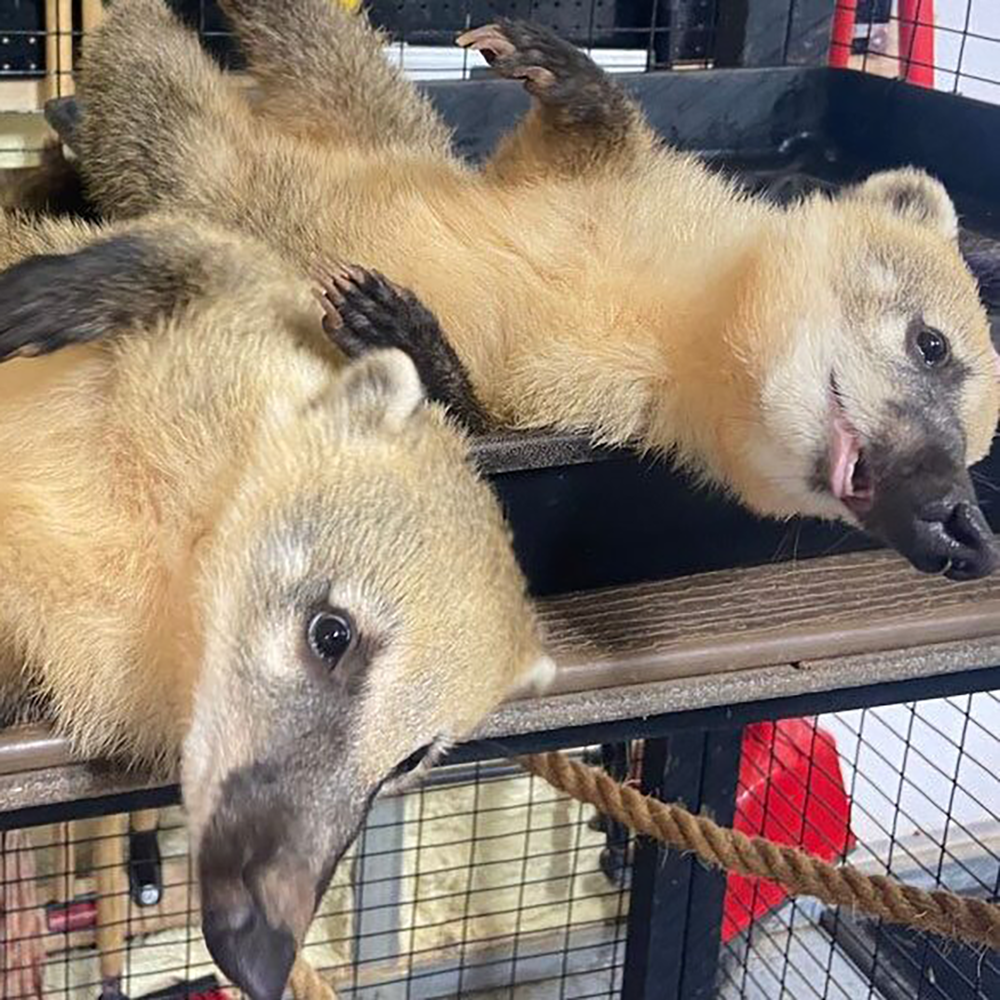
South American Ring-tailed Coati
A social, raccoon-like mammal of Central and South America with a long, banded tail it holds upright while foraging. They are highly curious and omnivorous, using their elongated, flexible snouts to root through leaf litter for insects and fruit.
Animal Spotlight
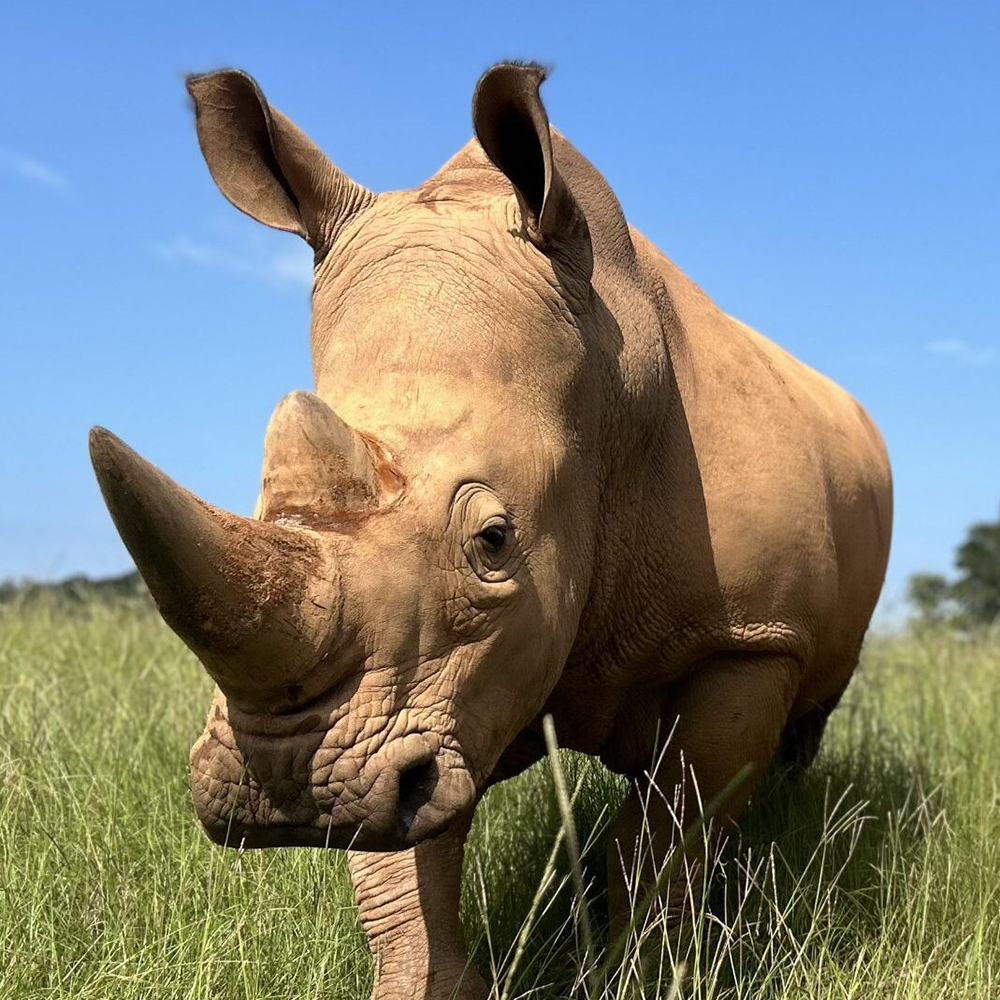
Southern White Rhinoceros
The largest of the five rhino species and the most numerous, distinguished by its wide, square lip adapted for grazing on grasses. Once nearly extinct, it has made a remarkable conservation comeback, though it remains vulnerable to poaching for its horn.
Animal Spotlight
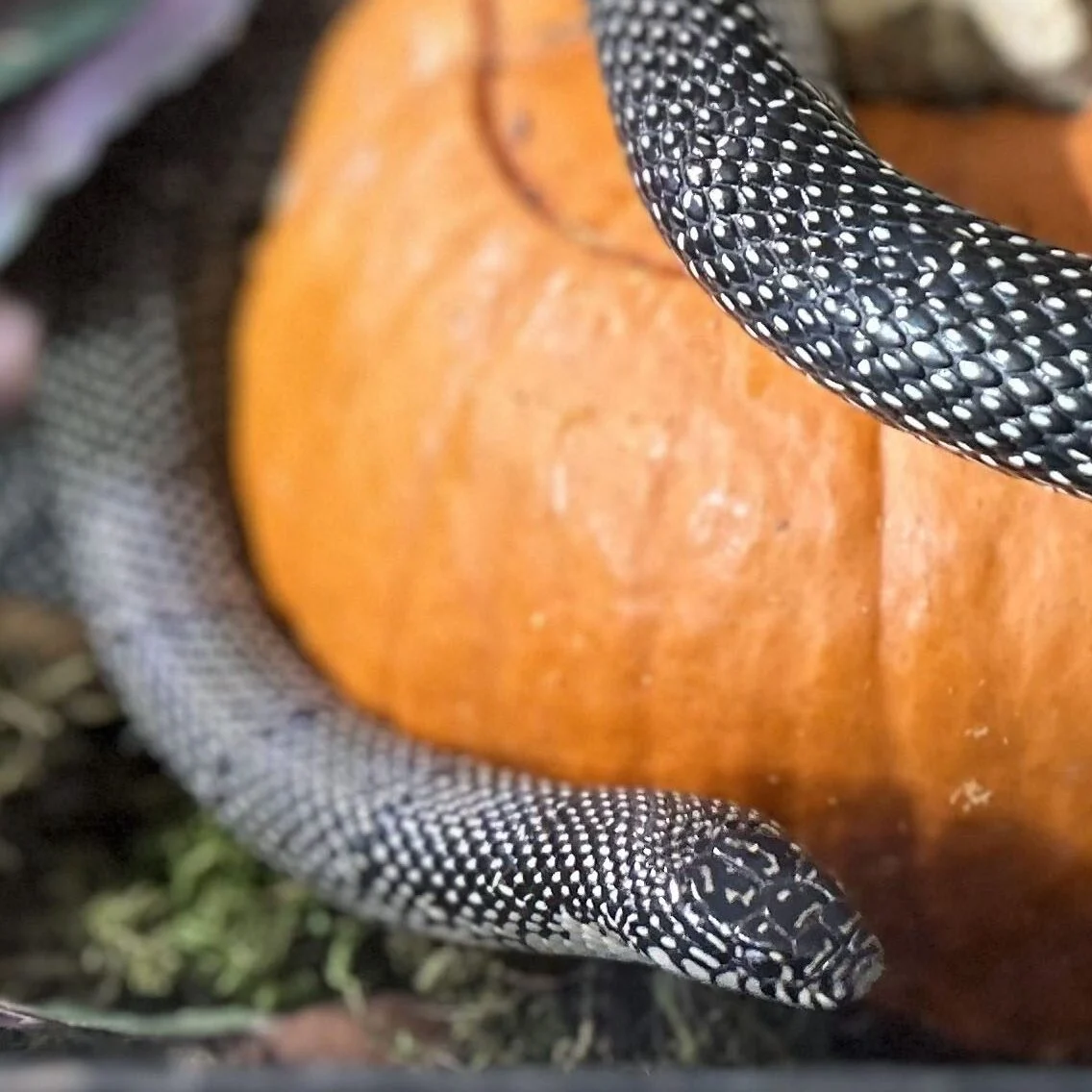
Speckled Kingsnake
The Speckled Kingsnake is a nonvenomous snake native to the southeastern United States, easily recognized by its black body covered in small yellow or white speckles. It’s a powerful constrictor that feeds on rodents, birds, and even other snakes making it beneficial for controlling pest populations.
Animal Spotlight
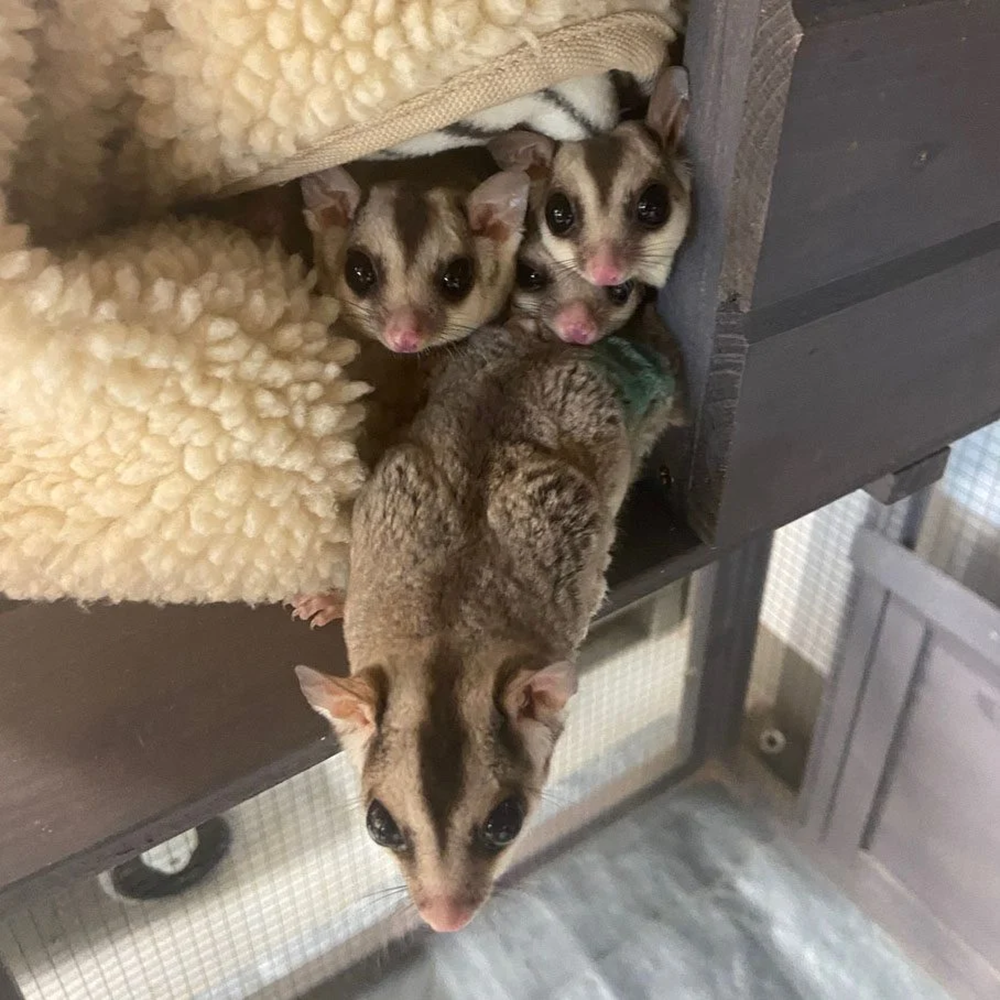
Sugar Glider
A small, social marsupial native to Australia and New Guinea that glides through the forest canopy using a thin membrane of skin stretching from its wrists to its ankles.

